TEA MARKET SOLUTIONS
Custom Tea Bag Wrapper Packaging for Aroma Protection and Retail Appeal
Tea bag wrapper packaging helps protect tea leaves, preserve aroma, and strengthen shelf presentation for tea sachets, string-and-tag tea bags, and envelope-style tea packs. XLD supports custom wrapper structures with food-contact materials, flexible print options, and practical supply planning for B2B tea packaging projects.
Custom width: 65–160mm
Roll diameter within 500 mm
Up to 12-color printing
MOQ from 100 kg
Heat-sealed & Cold-sealed
Fast responses
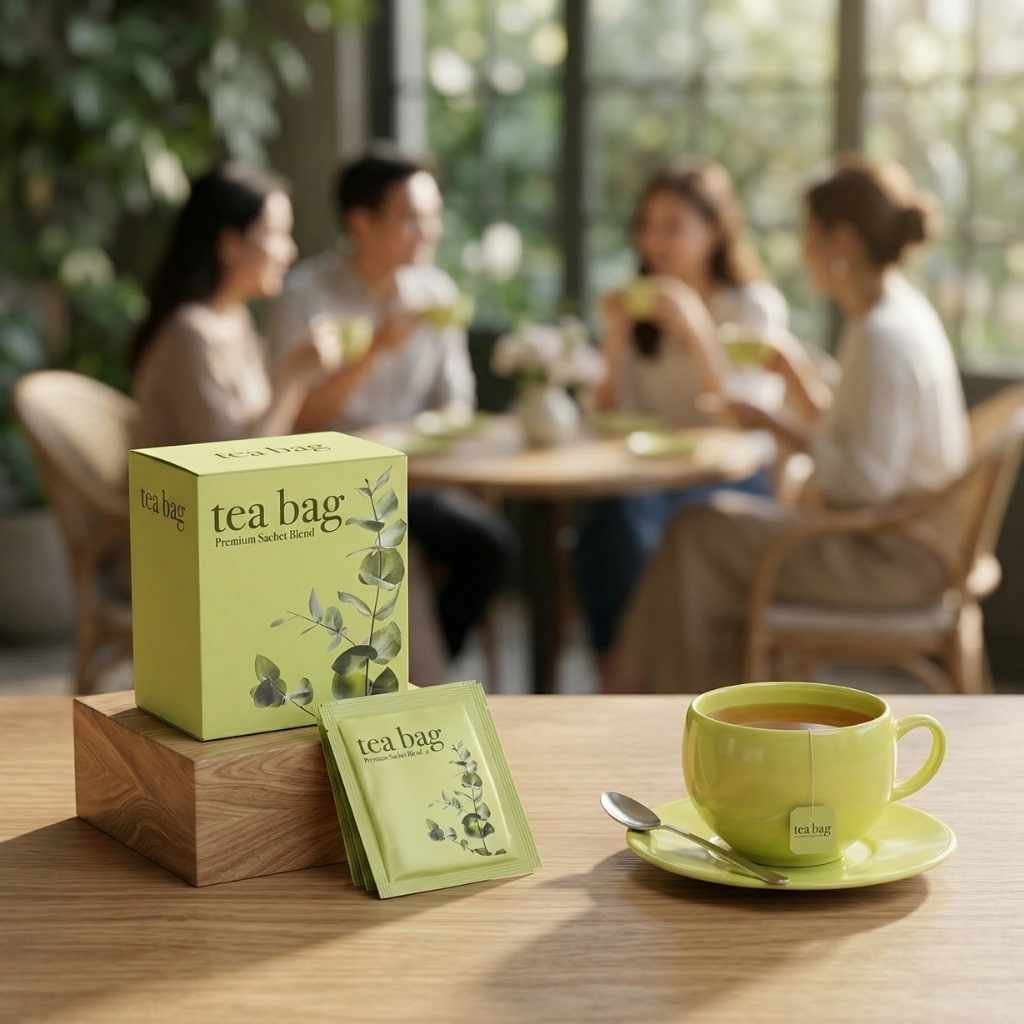
The wrapper packaging format is designed to enhance the freshness, portability, and print visibility of retail tea packaging.
TEA MARKET SOLUTIONS
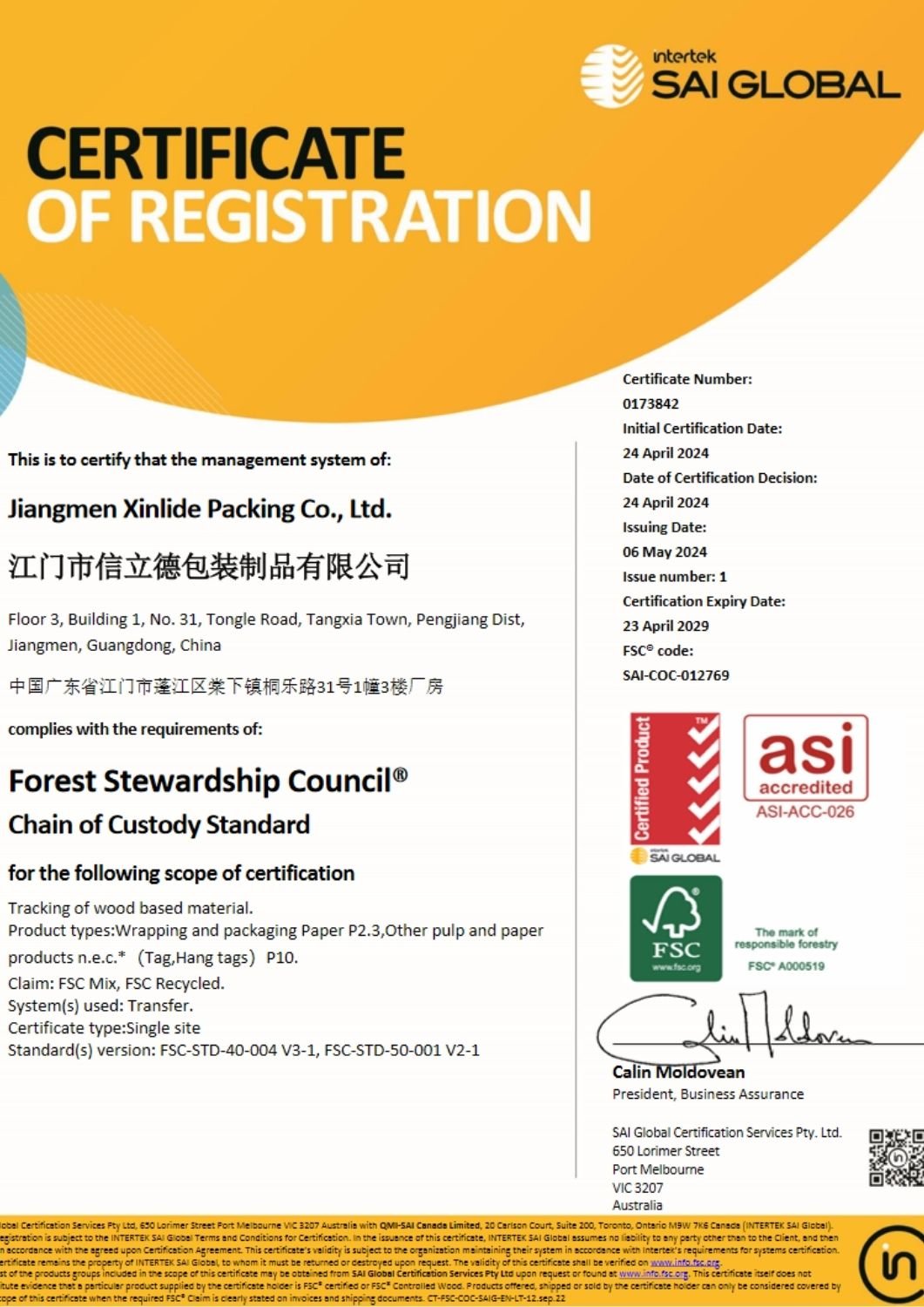
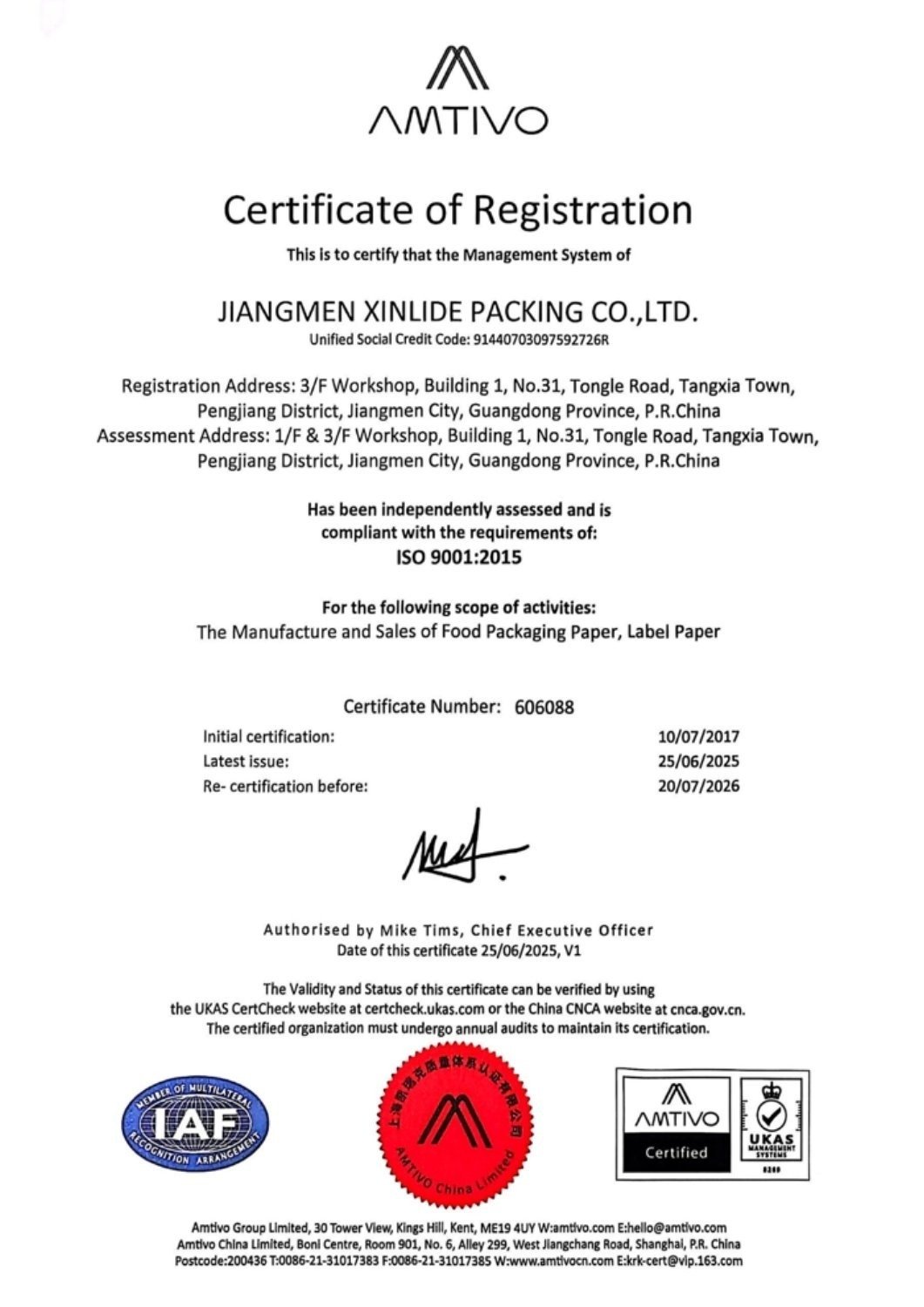
Food-contact packaging with visible qualification support
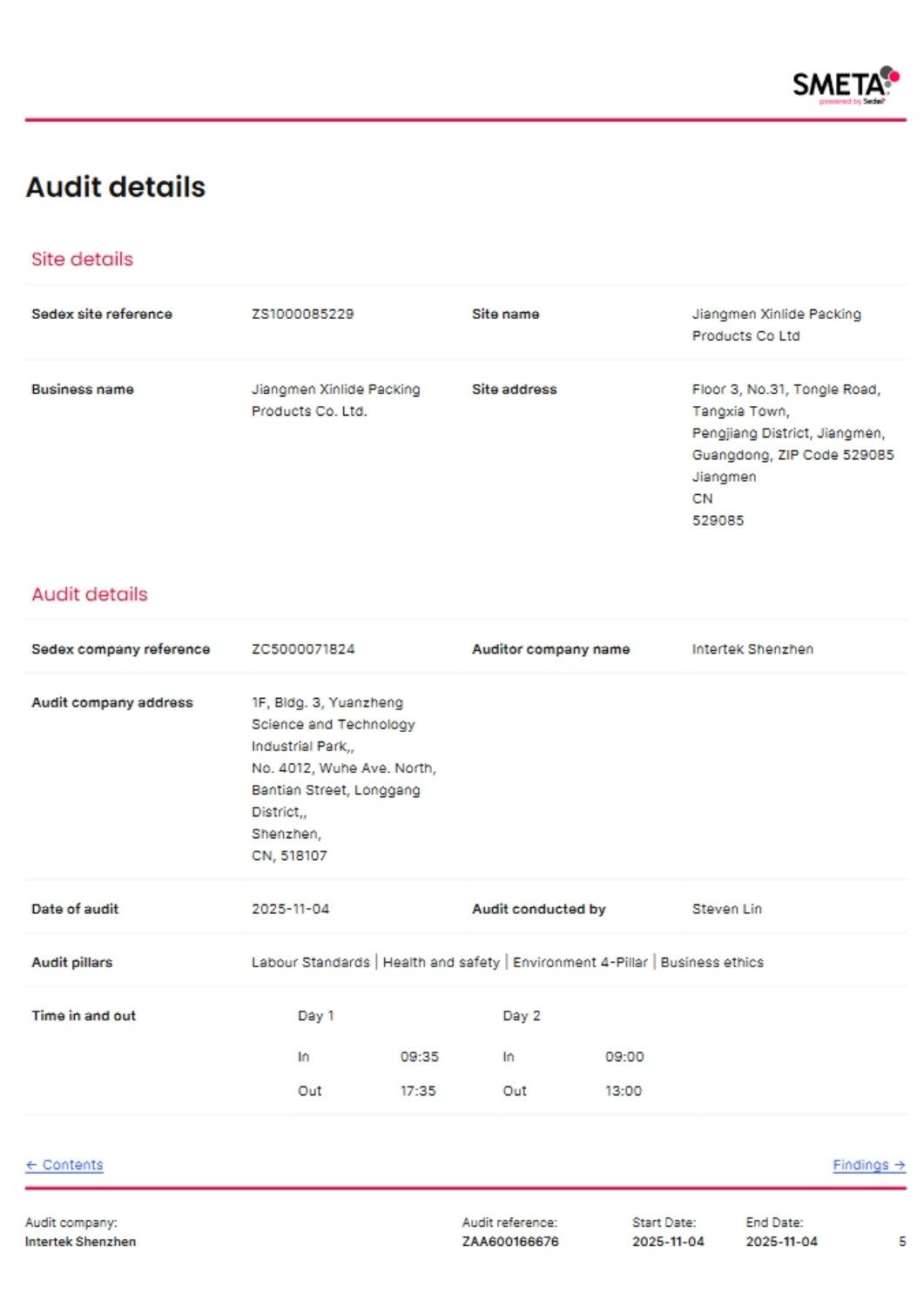
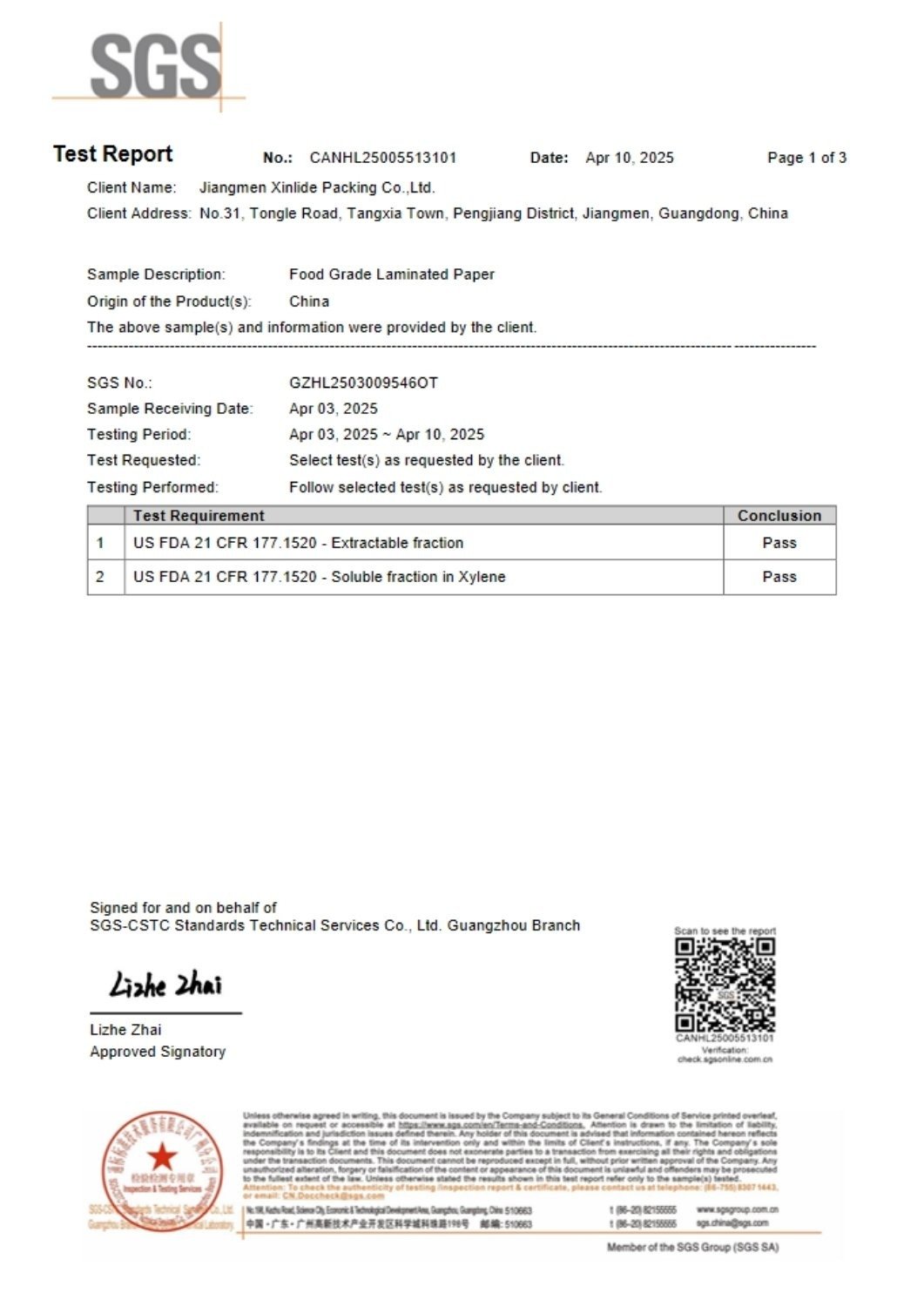
Since tea packaging comes into direct contact with tea leaves, buyers often require a high degree of confidence before proceeding with a project. You can place your complete trust in XLD; we can provide comprehensive written documentation regarding our factory management protocols and material verification processes. Including ISO001, FSC, SMETA, and SGS testing reports.
Overview
Tea Bag Wrapper Packaging for Better Freshness, Hygiene, Portability, and Brand Image.
Tea bag wrapper packaging is more than an outer layer. It helps reduce aroma loss, improves hygienic handling during storage and transport, and gives brands more room for flavor names, brewing instructions, compliance marks, and promotional messaging.
For tea brands, co-packers, and private label buyers, the right wrapper structure should match both the tea product and the packaging line. XLD supports wrapper supply based on barrier needs, print design, machine compatibility, and sustainability direction.
Why wrapper packaging matters
• Helps reduce aroma loss before use
• Improves hygiene during transport and retail display
• Adds print area for branding and instructions
• Supports more stable wrapping on suitable machine lines
Different Types Of Tea Bag Wrapper.
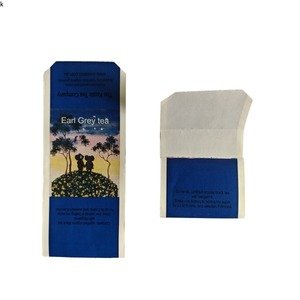
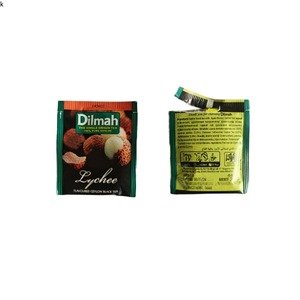
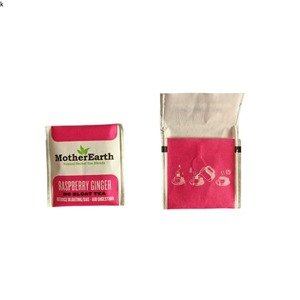
Cold-sealing tea bag wrapper, the most basic wrapper style from MAISA machines.
Cold-sealed tea bag wrapper, allows for faster machine packing.
Heat-sealed tea bag wrappers are the most common type on the market and are used by most brands. They are extremely fast, producing up to 1,000 bags per minute.
Application
Choose a Tea Bag Wrapper Application
Wrapper packaging is suitable for nearly all tea bag products. Whether it’s organic tea, herbal tea, crushed leaves, or even powder, wrapper packaging effectively protects your product.
Tea Sachets & Envelope Overwraps
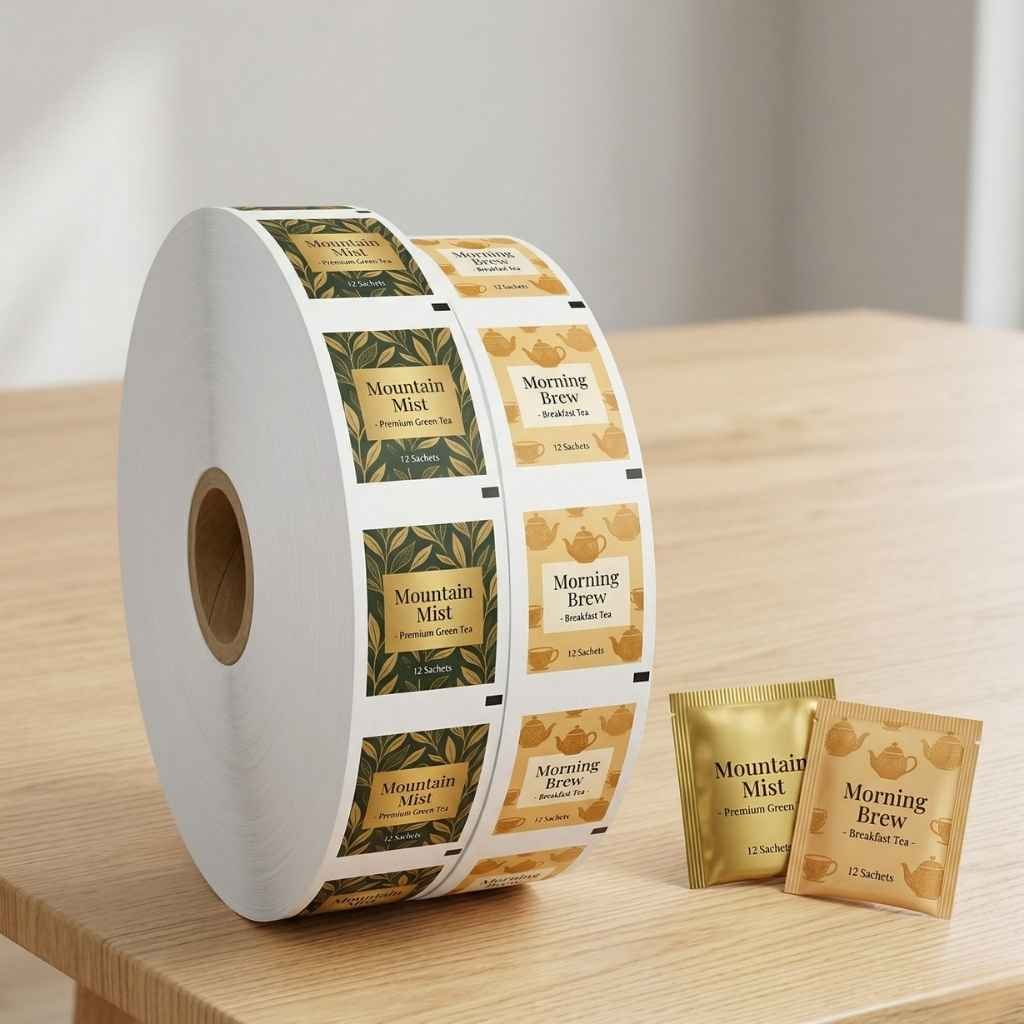
Suitable for single-wrapped tea bags that need aroma protection, clean handling, and stronger shelf presence.
Herbal & Functional Tea Products
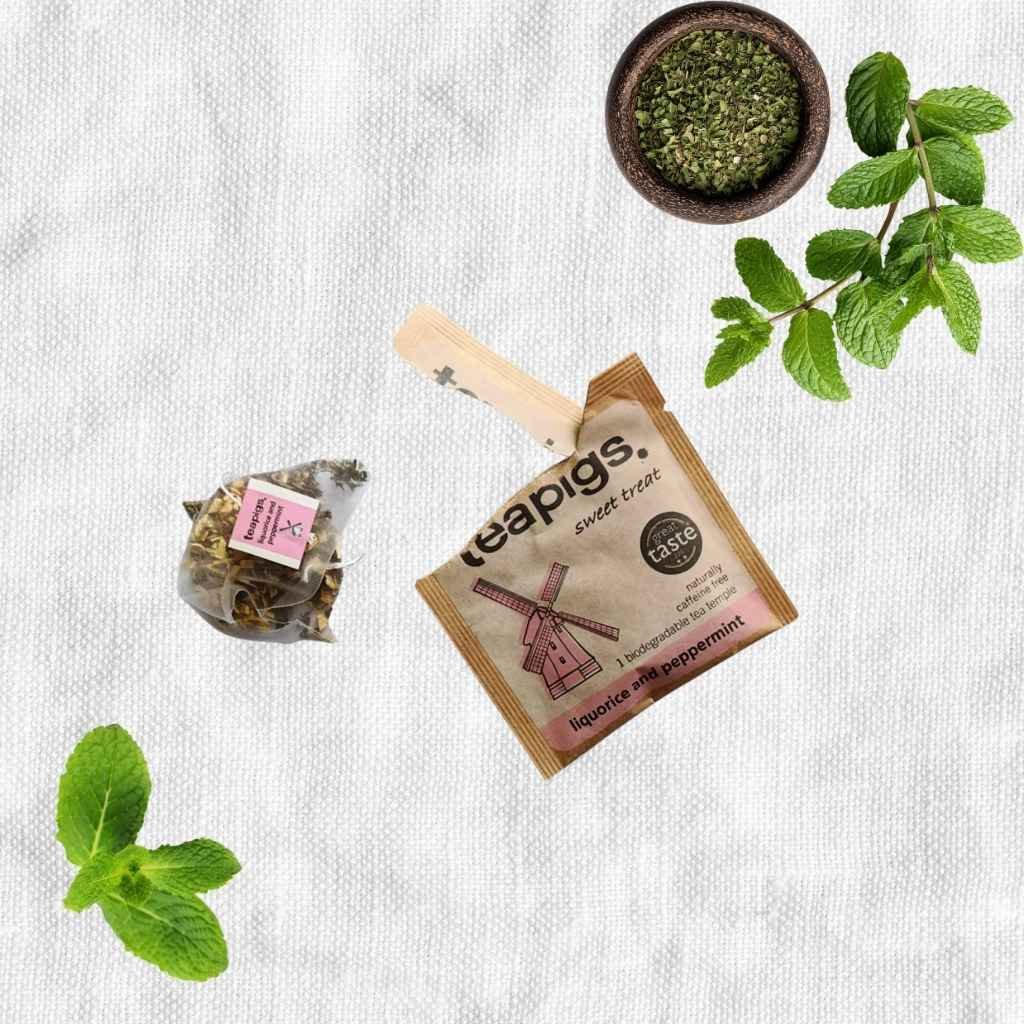
A practical choice for tea blends that need better moisture protection, more detailed printing, or stronger brand communication.
Retail Tea Multipacks
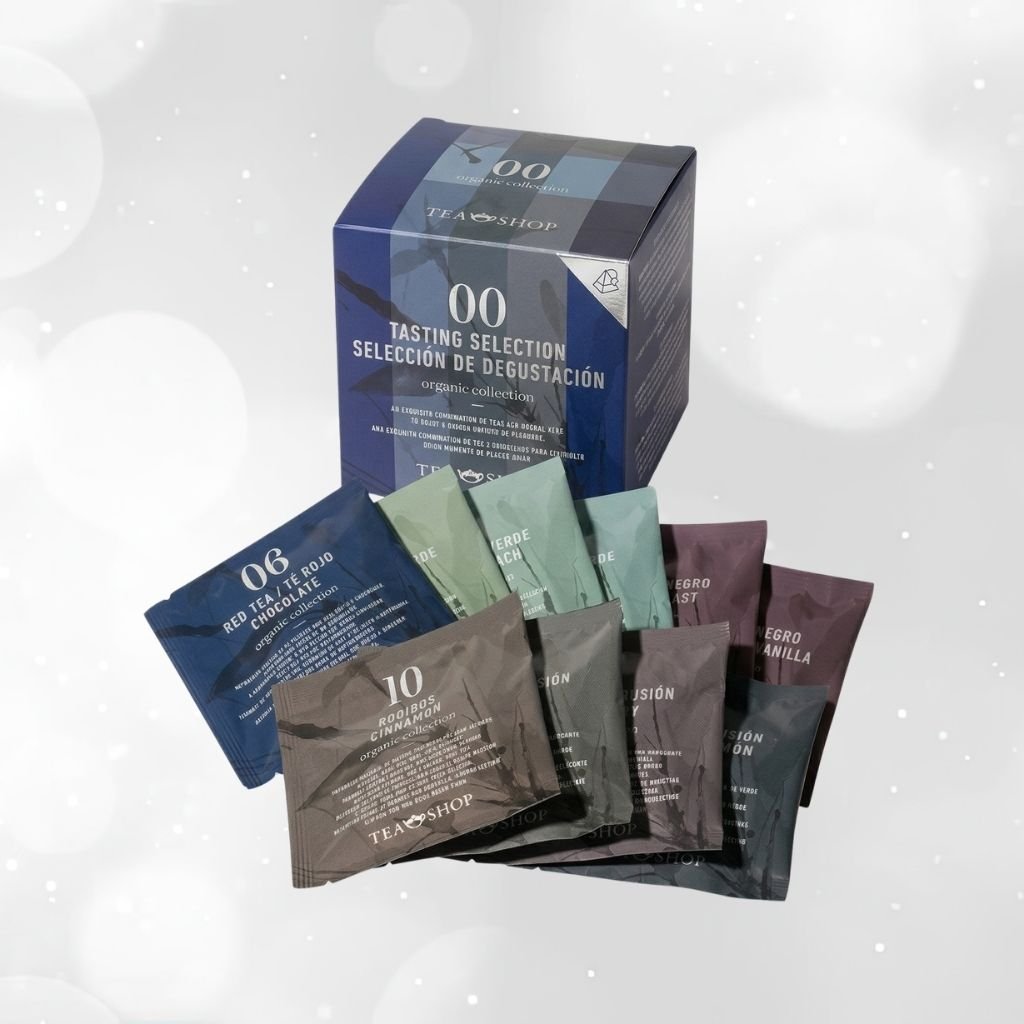
Suitable for packing individually packaged tea into cardboard boxes or shelf boxes for cleaner handling and better display consistency; the preferred choice for the fast food industry and upscale restaurants.
Custom options & MOQ
Clear production details for B2B tea bag wrapper projects
XLD believes that all trust begins with the most basic data. Size range, printing options, MOQ, and delivery time are all below.
| Item | Available Range / Standard | Notes |
|---|---|---|
| Wrapper Width | Custom, usually 65–160 mm | Based on tea bag size and machine format |
| Roll Diameter | Within 300 mm | Confirm actual machine requirement before production |
| Core Size | Custom by project | Match your wrapping equipment |
| Printing Colors | Up to 12 colors | Based on artwork and print design |
| Material Structures | PE-coated paper / aluminized coated paper / PLA-coated paper / PET/AL/PE | Selected by barrier and sustainability needs |
| MOQ | From 100 kg per design | Depends on size, material, and print setup |
| Sample Lead Time | 15 days with cylinder making / 7 days without cylinder making | Based on artwork and production schedule |
| Bulk Lead Time | Under 500 kg: about 12 days / 500–1000 kg: about 15 days / above 1000 kg: based on quantity | Final lead time depends on order details |
Material structures
Common Wrapper Structures for Tea Bag Packaging
XLD believes that the combination of different materials is also part of packaging’s charm. You can fully customize packaging to meet your requirements and preferences, creating a wrapper tailored to each brand. Each layer is engineered to protect your product, extend shelf life, and ensure smooth machine performance.
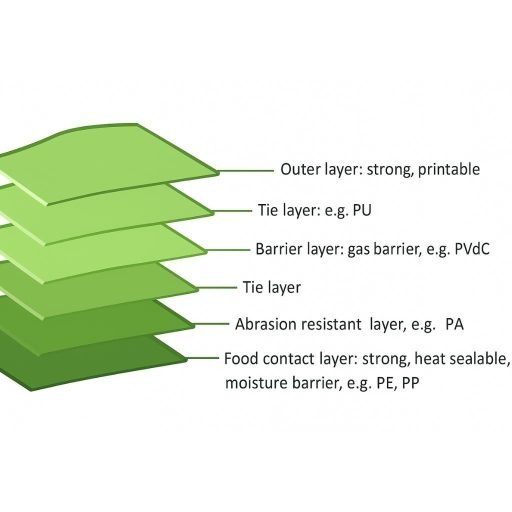
PE-Coated Paper
A practical choice for common tea bag wrapper projects that need clean printability and stable sealing.
Aluminized Coated Paper
Suitable when the wrapper needs better aroma retention and stronger moisture protection.
PLA-Coated Paper
A suitable option for brands that want a more sustainability-oriented paper-based wrapper direction.
PET / AL / PE
A higher-barrier structure for tea products that need the strongest protection against oxygen, moisture, and aroma loss.
How to Choose
How to Choose the Right Tea Bag Wrapper Packaging
A wrapper project should match barrier needs, machine setup, branding space, and sustainability direction.
Barrier Properties
Select a suitable structure based on the tea’s sensitivity to oxygen, humidity, and aroma loss.
Machine Compatibility
Before mass production, confirm the roll width, diameter, core diameter, and sealing performance.
Branding & Logo
Consider the desired printing effect for brand logos, flavor names, brewing instructions, and compliance markings.
Why choose XLD
How to Choose the Right Tea Bag Wrapper Packaging
XLD supports tea wrapper projects with a practical supply mindset. Instead of offering only generic material suggestions, structure selection can be aligned with product type, machine format, print needs, and delivery targets.
• Custom wrapper structures for different tea applications
• Support for widths, roll formats, and print requirements
• Clear MOQ and lead time guidance for B2B planning
• Material options that balance barrier, cost, and sustainability goals
What are the common paper-based materials for tea packaging from China? What are their pros and cons?
What are the common paper-based materials for tea packaging from China? What are their pros and cons? When I first
Paper-based Mailers Vs Plastic Mailers: Which One Should You Use For Your Tea Brand?
Which Eco-Friendly Mailer Fits Your Tea Brand? Paper mailers vs plastic mailers—which is better for shipping tea products? As sustainability
Tea Bag Packaging in Plastic Flexible Packaging: Green Innovation & Sustainable Trends
Rethinking Sustainability in Modern Tea Packaging Tea is one of the most consumed beverages worldwide, yet its packaging—especially plastic flexible
FAQs
Tea Bag Wrapper Questions Buyers Often Ask
These are the questions that usually come up before wrapper size, material structure, and quote details are finalized.
What is tea bag wrapper packaging used for?
It is used to protect individual tea bags from moisture, aroma loss, and external contamination, while also improving portability and brand appeal to consumers.
Can tea bag wrapper size be customized?
Yes. The wrapper width is customized according to your tea bag format, machine setup, and final packaging requirements. Common project widths usually fall within 65–85 mm.
What material structures are available for tea bag wrappers?
Common options include PE-coated paper, aluminized coated paper, PLA-coated paper, and PET/AL/PE, depending on barrier needs, sustainability goals, and machine fit.
What is the MOQ for a custom wrapper project?
The standard MOQ is 100 kg per design, but the final quantity depends on the material structure, print setup, and size specifications.
How long does sampling and production take?
Sampling usually takes around 15 days, including plate making, or around 7 days if no plate is needed. Bulk lead time is about 12 days for under 500 kg, around 15 days for 500–1000 kg, and for larger orders, it is scheduled based on the actual quantity.
Start Your Market Project
Tell Us Your Tea Format, Wrapper Width, and Target Market
Share your tea bag type, wrapper size, material preference, and estimated quantity. A practical wrapper option can then be suggested based on barrier needs, print requirements, and delivery timing.