What are the common paper-based materials for tea packaging from China? What are their pros and cons?
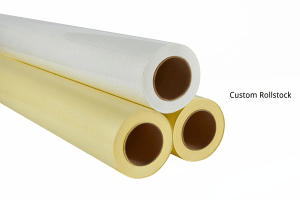
When I first explored tea packaging options from China, I was surprised by how many paper-based materials were available. Each one promised a balance between sustainability, protection, and cost — but not all worked equally well for every tea.
Tea packaging papers from China range from kraft paper and laminated paper to PBS- or PLA-coated paper. Each material differs in moisture resistance, recyclability, and price, so selecting the right one depends on product type, shelf life, and brand positioning.
Many buyers underestimate how much the type of paper affects both flavor preservation and brand image. So, let’s look deeper at how to make wise choices and avoid common pitfalls when sourcing tea packaging from China.
Which paper type best protects my tea from moisture?
When I first started comparing paper types for tea packaging, I quickly realized that moisture is the most critical threat. It dulls aroma, reduces flavor, and shortens shelf life.
For moisture protection, laminated papers with PE, PLA, or aluminum foil coatings perform best. Kraft paper or uncoated types can absorb humidity, while PLA- or PBS-coated options balance sustainability and sealing performance for longer freshness.
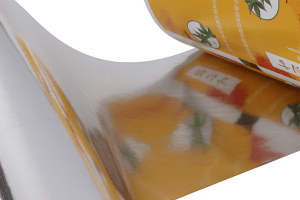
Moisture control is key to preserving tea quality, especially for green and herbal varieties that oxidize easily. PE-coated paper is the traditional choice—it seals fast, protects well, and remains affordable. However, it’s not recyclable. PLA and PBS coatings, on the other hand, are compostable and suitable for eco-conscious brands, though they cost more and require stable production conditions.
Comparing Moisture Resistance by Material
| Material Type | Moisture Barrier | Heat Sealable | Eco Status |
|---|---|---|---|
| Kraft Paper | Poor | Optional | Recyclable |
| PE-coated Paper | Excellent | Yes | Non-biodegradable |
| PLA-coated Paper | Good | Yes | Compostable |
| PBS-coated Paper | Very Good | Yes | Compostable |
| Laminated Foil Paper | Excellent | Yes | Non-recyclable |
Choosing Based on Tea Type
- Green tea: Needs tight moisture and oxygen barrier — laminated paper with aluminum or PLA coating is ideal.
- Black tea: Moderate protection is enough — kraft paper with inner PLA film works.
- Herbal or fruit tea: Sensitive to moisture and light — PBS-coated or foil laminated paper is recommended.
Selecting a paper that aligns with your tea’s moisture sensitivity can dramatically improve shelf life and flavor stability.
How do I compare cost vs. performance among paper materials?
When I began comparing quotes from Chinese packaging suppliers, I was overwhelmed by the price differences. Some materials were twice as expensive, yet looked almost identical.
Cost-performance analysis depends on your target market and shelf-life needs. Uncoated kraft paper is cheapest but least protective. Laminated or coated papers cost more but prevent spoilage, reducing losses and enhancing perceived quality.
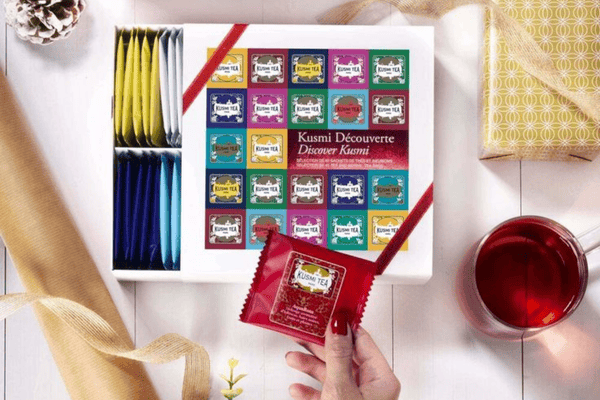
To make smart sourcing decisions, it’s important to view cost not only as “price per unit” but as “cost per month of shelf life.” In other words, better barrier paper may increase upfront cost but save you from wasted or stale stock later.
Cost vs. Performance Matrix
| Paper Type | Cost Level | Shelf Life Impact | Recycling Ease | Typical Use Case |
|---|---|---|---|---|
| Kraft Paper | Low | Short | Easy | Organic teas, budget brands |
| PE-coated Paper | Medium | Long | Hard | Retail teas, mass production |
| PLA-coated Paper | High | Long | Compostable | Eco-premium tea brands |
| PBS-coated Paper | High | Long | Compostable | Export-grade organic teas |
| Laminated Foil Paper | Highest | Very Long | Hard | Premium loose-leaf teas |
Practical Buyer Tips
- Set performance priorities — define whether your priority is shelf life, look, or recyclability.
- Ask for sample swatches — compare thickness, stiffness, and sealing quality before bulk order.
- Run moisture tests — store samples under humidity for 7–14 days and evaluate performance.
Understanding where your product fits between “cost efficiency” and “premium protection” helps strike a profitable balance in material choice.
Can I request custom coatings for my tea paper packaging?
One thing I learned from working with Chinese suppliers is that customization is not just possible — it’s expected. Whether you need matte finishes, PLA coating, or metallic gloss, manufacturers can adapt.
Yes, you can request custom coatings such as PE, PLA, PBS, metallized film, or water-based dispersion. Chinese converters offer full lamination and coating lines to match your product’s moisture, aroma, and sustainability needs.
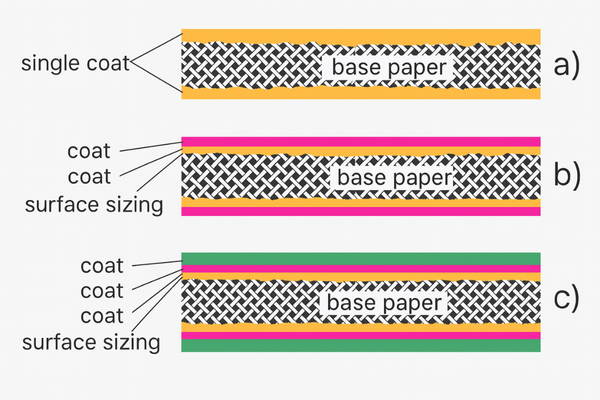
China’s paper converters have advanced coating capabilities. Most factories can combine paper with films like PLA, aluminum, or even biodegradable bio-inks. This flexibility lets tea brands fine-tune both performance and aesthetics.
Common Custom Coating Options
| Coating Type | Function | Environmental Profile | Typical Application |
|---|---|---|---|
| PE (Polyethylene) | Moisture barrier + heat seal | Non-recyclable | Mass-market tea pouches |
| PLA (Polylactic Acid) | Biodegradable moisture barrier | Compostable | Organic or eco tea brands |
| PBS (Biopolymer) | Heat-resistant biodegradable film | Compostable | Export and premium markets |
| Metallized Film | Light & aroma barrier | Limited recyclability | Foil-look packaging |
| Water-Based Coating | Recyclable surface barrier | Sustainable alternative | Inner liners for boxed teas |
Things to Discuss with Suppliers
- Coating thickness: Affects sealing temperature and feel.
- Printing compatibility: Ensure coating supports gravure or digital printing.
- Sustainability labels: Confirm compostable certifications (e.g., EN13432, ASTM D6400).
The ability to tailor coating types means you can match environmental goals with real packaging functionality — without compromising brand appearance.
How can I confirm the paper meets food contact safety?
When I first started exporting tea packaging, I quickly learned that “food-safe” isn’t just a buzzword. Buyers in the EU or U.S. demand verified compliance, not promises.
You can confirm food contact safety by requesting certifications such as FDA (21 CFR) and EU Regulation 1935/2004. Most reputable Chinese paper suppliers provide test reports for coatings, inks, and adhesives used in tea packaging.

Food safety certification ensures that inks or coatings do not transfer chemicals to tea leaves. For global buyers, this verification builds trust and eases customs clearance.
Key Certifications for Food-Contact Paper
| Certification | Region | Scope | Required For |
|---|---|---|---|
| FDA 21 CFR | USA | Direct food contact materials | Tea pouches, filters |
| EU 1935/2004 | Europe | Overall migration limits | Coated and laminated papers |
| GB 4806.8 | China | Paper & cardboard for food | Domestic tea packaging |
| EN 13432 | EU | Compostability standard | PLA, PBS-coated papers |
| FSC/PEFC | Global | Sustainable sourcing | Paperboard and kraft |
Verification Steps Before Import
- Request COA (Certificate of Analysis) from supplier for each material batch.
- Check third-party lab reports — SGS, Intertek, or TÜV are commonly accepted.
- Inspect migration limits — ensure total migration <10 mg/dm² for EU markets.
- Audit ink safety — only food-grade gravure inks should be used.
Establishing a safety verification checklist not only prevents compliance issues but also reassures consumers that your tea is packed with integrity.
Conclusion
Choosing a paper-based material requires matching the exact grade and structure to product protection, converting, target market and available evidence. For tea bag components, compare the routes in the Tea packaging material selection hub; for individually wrapped bags, open the Tea Bag Outer Wrapper page before sending a specification brief.