
Rethinking Sustainability in Modern Tea Packaging
Tea is one of the most consumed beverages worldwide, yet its packaging—especially plastic flexible formats—has become a focal point in sustainability debates. This article explores the current global applications of plastic-based tea bag packaging, the environmental challenges it poses, and how green innovations and future-ready solutions can reshape this essential industry.
Global Usage of Plastic Flexible Packaging for Tea
Plastic flexible packaging dominates tea bag markets across North America, Europe, and parts of Asia due to its low cost, high barrier properties, and light weight. Common formats include:
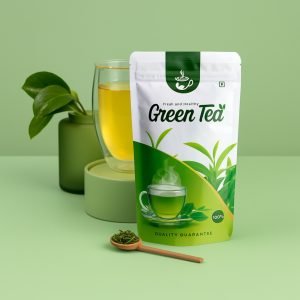
- Stand-up pouches for loose-leaf teas and pyramid sachets
- Quad-seal bags for premium or gift packs
- Pillow bags for bulk tea distribution
- Shaped pouches (e.g., leaf-shaped, droplet) for branding appeal
Data Insight:
According to MarketsandMarkets, the flexible tea bag packaging market is expected to grow at a CAGR of 6.3% globally through 2028, with Europe and the U.S. focusing more on compostable or recyclable solutions.
Source: MarketsandMarkets Tea Packaging Report
Environmental Challenges in Tea Bag Packaging
While flexible plastic offers performance advantages, it also raises key concerns:
1. Non-biodegradability
Many tea sachets and pouches are made from PET/PE or PET/CPP laminates, which are hard to recycle and take decades to degrade.
2. Microplastic Release
Research by McGill University in 2020 revealed that plastic tea bags can release billions of microplastic particles into hot water.
Source: McGill University Study
3. Lack of Infrastructure
In many countries, local recycling systems cannot handle multi-layer laminated packaging, leading to landfill or incineration.
Green Technological Innovations in Plastic Flexible Packaging
The packaging industry is moving fast to address these issues. Below are leading innovations gaining traction:
1. Biodegradable Films
PLA-based or PBS-coated plastic films are emerging as tea bag wrapper alternatives, especially in Europe and Japan.
2. Single-Material Design
Mono-material PE or PP structures are replacing traditional multi-layer laminates, allowing easier recycling.
3. Recyclable Zipper and Inks
Use of recyclable resealable zippers and eco-friendly water-based inks improves the full-cycle recyclability of stand-up pouches.
4. Material Reduction Strategies
Lightweighting and downgauging reduce total plastic usage per pouch by up to 25%.
Global Policy and Sustainability Momentum
Governments and NGOs are pressuring tea brands to switch to greener materials:
- EU Packaging & Packaging Waste Regulation (PPWR) mandates 100% recyclable packaging by 2030
- UK Plastic Packaging Tax applies to non-recycled plastic over 10% of packaging weight
- U.S. Plastics Pact targets 100% reusable, recyclable, or compostable packaging by 2025
Outlook and Sustainable Trends
The tea industry is rapidly adapting to sustainability goals. According to Euromonitor, over 60% of global tea brands plan to shift to recyclable or compostable packaging by 2027. Consumer awareness is also reshaping packaging preferences, especially in premium segments.
Emerging trends include:
- Pouches with bio-based zipper closures
- Digital printing for short-run personalized pouches (less waste)
- Use of transparent mono PE for product visibility and recyclability
XLD’s Sustainable Solutions for Tea Bag Packaging
At XLD, we are committed to accelerating the transition to green flexible tea packaging. Our custom solutions include:
- Mono-material pouches for tea bags, enabling full recyclability
- PBS- or PLA-coated films to reduce plastic waste
- Recycled-content stand-up pouches (30%-50% PCR) for bulk tea
- Reduced material designs that maintain barrier properties but cut weight
We partner with tea brands globally to meet EU and FDA standards while elevating sustainability and shelf appeal.
Need eco-conscious packaging for your tea products?
Let XLD support your journey to green innovation. From design to production, we offer certified, high-performance solutions tailored to your goals.
FAQs
1. What is the most eco-friendly tea bag packaging?
Mono-material pouches with recyclable zippers or PLA-coated films are currently leading in terms of recyclability and compostability.
2. Why is plastic still used in tea packaging?
Plastic provides barrier protection, resealability, and cost efficiency, but companies are now adopting greener formats.
3. Are compostable tea bags widely available?
Yes, especially in Europe. However, industrial composting infrastructure is still developing in some regions.
4. What are the benefits of mono-material packaging?
They simplify recycling and reduce environmental impact while maintaining required protective properties.
5. How can brands transition to sustainable tea packaging?
By collaborating with suppliers like XLD for material redesign, lightweighting, and compliance with green policies.