In the global commodity circulation ecosystem, industries from food to pharmaceuticals choose flexible plastic packaging as a pivotal option.
Why? Its lightweight, malleable, and cost-efficient attributes make it stand out.
Packaging, like chip bags and cushioning wraps for e-commerce, is integral to our lives. However, the growing environmental movement is driving significant changes in this conventional packaging. Innovations in materials and improved recycling systems highlight its potential for sustainable development.
1. The Global Application Landscape of Plastic Flexible Packaging
The diverse forms and remarkable functional adaptability of plastic flexible packaging give rise to distinct application characteristics across various regions and industries.
(I) The Unyielding Demand in the Food Sector
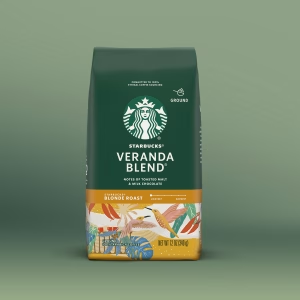
In the North American market, stand-up pouches command a significant 62% share of the coffee retail packaging segment (Data source: MarketsandMarkets 2024 report).
Prominent brands like Starbucks opt for stand-up pouches crafted from PET/PE composite films.
Equipped with an EVOH oxygen-barrier layer, these pouches can preserve the freshness of coffee beans for up to 180 days. In contrast, the European market shows a preference for eight-sided-sealed pouches.
Germany’s Ritter Sport chocolate utilizes eight-sided-sealed packaging with a PA/PE composite structure, which not only maintains a sturdy form but also elevates the product’s premium appeal through matte printing techniques.
In Southeast Asia, approximately 70% of instant noodles from renowned brands such as Uni-President and Nissin are packaged in pillow-shaped bags made of PE/PP composite films. These bags dominate the market with their cost-effectiveness and excellent moisture-proof capabilities.
(II) Functional Breakthroughs in Daily Chemicals and Pharmaceuticals
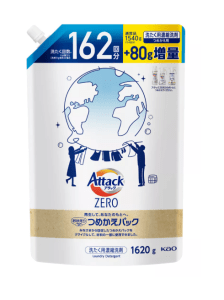
In Japan, Kao employs single-material PE soft bags for its laundry detergent refill packs. Through an ingenious self-standing structure design, it achieves an impressive 90% utilization rate of the contents, reducing plastic usage by 40% compared to traditional hard packaging.
Across the ocean, Johnson & Johnson in the United States utilizes a three-layer composite film of PET/aluminum foil/PE for its medical sterile packaging. Leveraging irradiation sterilization technology, it ensures a sterile environment for pharmaceutical products. The annual growth rate of such high-barrier plastic flexible packaging in the medical field has reached a notable 7.8%.
(III) The Explosive Growth in Emerging Markets
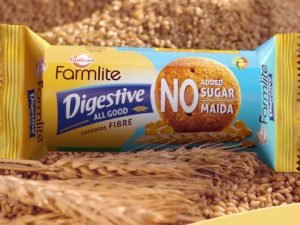
The plastic flexible packaging market in India’s snack industry has witnessed an annual growth rate of 12%. Britannia biscuits’ pillow-shaped packaging, made from a BOPP/PE composite film, strikes a perfect balance between printing clarity and heat-sealing performance.
Meanwhile, the hair conditioner refill packs of the Brazilian beauty brand Natura feature reusable and sealable PE soft bags. This innovative design not only cuts down on transportation costs but also reduces packaging waste by 30%. The penetration rate of such creative designs in the Latin American market has reached an impressive 45%.
2. Environmental Challenges and Policy-Driven Transformations in Plastic Flexible Packaging
Despite its extensive application, the environmental impact of flexible plastic packaging has come under intense scrutiny from the global regulatory framework.
(I) Waste Crisis and Recycling Hurdles
European Union statistics reveal that around 2.3 million tons of flexible packaging waste are generated annually, with only 14% being effectively recycled. Multilayer composite structures, such as PET/aluminum foil/PE, pose significant challenges in material separation due to their complexity, resulting in a mechanical recycling efficiency of less than 5%.
The AB-1200 Act in California, USA, clearly stipulates that by 2025, all flexible plastic food packaging must incorporate more than 50% recycled materialsor biodegradable substances.
(Act original text link: https://leginfo.legislature.ca.gov/faces/billTextClient.xhtml?bill_id=202120220AB1200).
(II) The Global Rollout of Policy Combinations
The EU’s “New Plastics Strategy” sets an ambitious target for 2030: All plastic packaging must be designed to be recyclable or reusable, with the recycling target for flexible packaging elevated to 65% (Policy link: https://ec.europa.eu/environment/strategy/law/plastics-strategy_en).
South Korea has implemented the “Extended Producer Responsibility” system, mandating companies to increase their share of the recycling costs for plastic flexible packaging from 30% in 2020 to 50% in 2025. These policies are driving the industry’s shift from “end-of-pipe treatment” to “source reduction.”
3. Green Technological Innovations in the Flexible Plastic Packaging Industry
In the face of these challenges, foreign companies are spearheading innovations across three key dimensions: materials science, structural design, and recycling systems.
(I) Green Alternative Solutions at the Material Front
1. Breakthroughs in Bio-based Degradable Plastics
Germany’s BASF has developed the Ecoflex® PBAT material. When blended with starch, it is used to manufacture snack packaging bags that can achieve a degradation rate of 90% within 180 days under industrial composting conditions.
France’s NatureWorks’ Ingeo™ PLA film has completely replaced traditional PET in the eight-sided-sealed packaging of Uji matcha in Japan. With an oxygen permeability controlled within 5cc/day, it meets the stringent freshness-keeping requirements of high-end tea.
2. Upgrades in Recycling and Regeneration Technologies
Japan’s Oji Holdings utilizes the “chemical recycling method” to convert waste PE flexible packaging into crude oil through pyrolysis. The recycled materials are then used to produce new packaging films, with 30% of food-grade recycled materials currently in application.
Sealed Air in the United States has introduced the Recycle Ready™ technology, which has increased the recycling efficiency of single-material PE flexible packaging to 85%. Its produced bubble cushion bags now exclusively use 100% recycled PE materials.
(II) The Reduction Revolution in Structural Design
1. Lightweight and Single-Material Design
European company Amcor has launched the “Lightweight Pouch” technology, reducing the weight of stand-up pouches from 12g to 9.5g, a 20% reduction in material usage.
Simultaneously, through a single-material PE design, the recycling cost has been slashed by 35%. Unilever’s Dove body wash refill bag in the UK employs the PE blow-molding process to replace the traditional composite film. With the thickness reduced from 80μm to 50μm, it saves 1,200 tons of plastic annually.
2. Innovation in Reusable Systems
The Loop circular packaging system in the United States designs chip soft packaging as reusable aluminum-plastic composite bags. After consumer use, these bags are returned to collection points.
Following cleaning and disinfection, they can be reused over 20 times. This model has achieved an 80% reduction in packaging waste during the Paris pilot.
(III) Intelligent-Driven Enhancement of Recycling Efficiency
European and American companies are optimizing the recycling chain through digital technologies. DS Smith in the United States embeds NFC tags in flexible packaging, allowing consumers to scan and obtain the locations of recycling points.
This system has increased the recycling rate of flexible packaging in New York City by 15%. Amcor in the Netherlands has developed the “Smart Seal” technology, which monitors the opening status of packaging via sensors, extending the food shelf life by 15% – 20% and indirectly reducing packaging waste caused by food spoilage.
4. Future Vision: Constructing a Circular Ecology for Plastic Flexible Packaging
Looking ahead, the sustainable development of plastic flexible packaging will exhibit three major trends: by 2030, the proportion of bio-based and recycled materials at the material end will exceed 50%; the proportion of single-material structures at the design end will surpass 70%; and the application of chemical recycling technology at the recycling end will boost the closed-loop recycling rate of flexible packaging to 60%.
XLD’s Green Plastic Solutions
XLD has successfully launched a series of single-material plastic flexible packaging products that not only offer excellent recyclability but also maintain superior barrier properties and durability.
For example, XLD’s newly developed single-material polyethylene (PE) flexible packaging for food not only effectively extends the shelf life of food but also simplifies the recycling process.
Contact our professional team today to learn more about the solutions that interest you.