
How do I choose the right roll stock material for my packaging machine when buying from China?
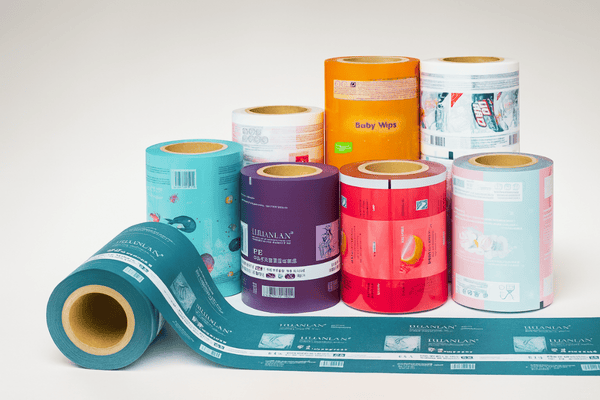
When I first started sourcing roll stock from China, I learned the hard way that even a few millimeters of difference could cause machine jams or sealing issues. Choosing the right roll stock material is not just about price — it’s about fit, performance, and compliance.
The right roll stock material from China depends on machine compatibility, film structure, barrier properties, and regulatory standards. Buyers must provide exact specs, test sample rolls, and verify food safety before placing bulk orders.
If your film doesn’t match your packaging machine perfectly, you’ll face production downtime and wasted materials. Let’s break down what to check before committing to your next order.
How do I calculate the cost of buying roll stock from China?
When I first imported roll stock, I thought cost meant only price per kilogram. I soon realized that the real expense comes from freight, tariffs, and production waste.
The total cost of roll stock from China includes unit price, freight, import duty, and scrap loss. You can always calculate your landed cost per usable meter of film, not just the purchase price.

Chinese suppliers often quote based on weight (kg), while machines consume film by length (m). Converting these units helps you understand your actual packaging cost.
Cost Breakdown Example
| Cost Element | Description | Typical Impact |
|---|---|---|
| Unit Price | Quoted in USD/kg or USD/ton | 60–70% of total |
| Freight | Sea or air transport | 10–20% of total |
| Import Duty | Based on HS code (e.g., 3920 for plastic film) | 5–25% depending on region |
| Scrap/Waste | Film was lost during setup or defect | 3–7% on average |
| Storage & Handling | Warehouse space, humidity control | 2–5% of total |
Practical Tip
- Request FOB pricing to manage freight directly.
- Include customs duties in your landed cost.
- Factor in test roll losses before mass production.
Once you consider all costs, you’ll have a clearer picture of your actual film expense per unit produced — not just the factory quote.
What are the key specs I must provide to my supplier?
In my experience, 80% of roll stock problems stem from missing or incorrect specifications. Your supplier can only deliver quality if they know your exact machine requirements.
Provide your supplier with the full machine parameters: web width, core size, unwind direction, roll diameter, and sealing temperature range. Incomplete data leads to film misalignment, wrinkles, and sealing failure.
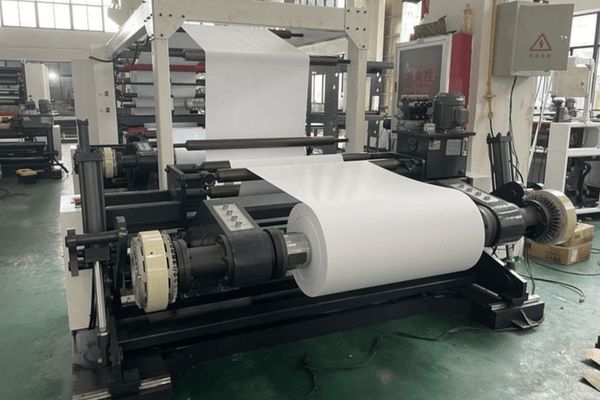
Machine and film must work together seamlessly. Even a 2 mm mismatch can disrupt your production rhythm. Communicate every technical detail precisely.
Essential Specs Table
| Parameter | Why It Matters | Typical Range |
|---|---|---|
| Web Width | Determines bag size | 200–1200 mm |
| Core Diameter | Fits the machine spindle | 3 or 6 inches |
| Max Roll Diameter | Affects change frequency | 250–600 mm |
| Unwind Direction | Ensures correct print alignment | A–F (check diagram) |
| Seal Temperature | Prevents seal failure | 120–180°C |
| Film Thickness | Influences stiffness and cost | 40–120 µm |
Tip for Buyers
Send a machine spec sheet or video to your supplier. Many Chinese converters can tailor roll width and winding based on your footage, saving adjustment time on arrival.
Should I test a sample roll before a mass order?
I learned early on that skipping a test roll can lead to costly rejections. One test roll can save thousands in waste and downtime.
Yes, always test a sample roll before mass production. It verifies print registration, seal quality, and tension control on your actual machine. Never skip this step when ordering from overseas.
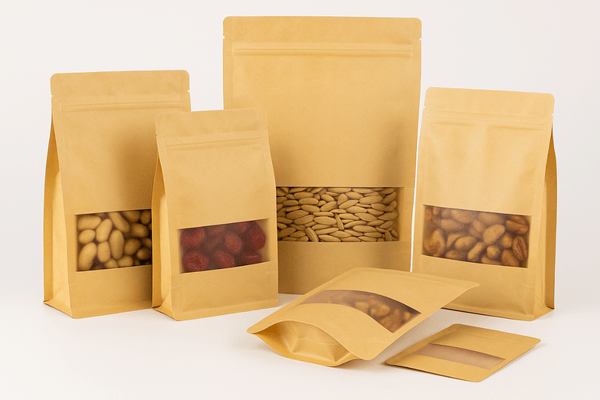
Sample testing ensures your chosen material runs smoothly, seals properly, and aligns with your speed requirements. This step is especially crucial if you’re changing from plastic to paper-based or compostable materials.
Sample Roll Evaluation Checklist
| Test Parameter | Acceptable Range | Notes |
|---|---|---|
| Sealing Strength | ≥ 2.5 N/15mm | Avoid weak seals |
| Print Registration | ±1 mm | Check alignment accuracy |
| Film Curling | None | Must lie flat on unwind |
| Barrier Test (OTR/WVTR) | As per spec | Verify lab test reports |
| Tension Control | Stable | No web breaks or wrinkles |
Best Practice
Run the sample roll for a full production shift. Observe winding behavior, print repeat accuracy, and seal consistency. Only after passing should you approve mass printing.
How can I avoid tension issues during production?
Once, during a 10,000-meter run, I saw our film tear five times in an hour due to tension imbalance. It was a nightmare that could have been avoided with simple checks.
To prevent tension issues, ensure consistent film thickness, proper core alignment, and correct unwind direction. Keep humidity stable and verify your supplier’s uniformity in roll winding.
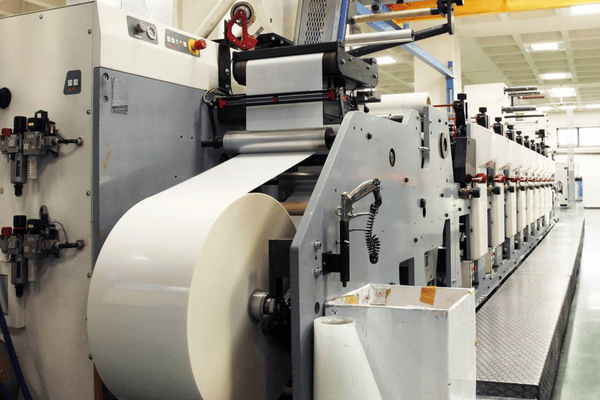
Tension problems can cause print misalignment, wrinkles, and seal leaks. They often stem from uneven winding or incompatible film stiffness.
Common Causes of Tension Problems
| Issue | Root Cause | Solution |
|---|---|---|
| Film Wrinkling | Uneven film thickness | Use uniform gauge material |
| Web Breaks | Excessive tension | Reduce brake torque |
| Misalignment | Wrong unwind direction | Match unwind chart (A–F) |
| Curling | Improper storage humidity | Keep 45–55% RH |
| Slippage | Low friction coefficient | Use anti-slip coating or adjust nip pressure |
Pro Tip
Ask your supplier to share roll profile data showing tension uniformity. High-quality Chinese converters often use automatic tension controllers and inline thickness scanners.
By preventing tension issues early, you’ll ensure consistent production flow and reduce downtime across every batch.
Conclusion
Choosing roll stock from China requires a balance between film performance, machine fit, and cost control. Always communicate specs, test samples, and confirm quality data before scaling up production.