flexible packaging manufacturer

How to Choose the Right Tea Bag Tags for Your Brand?

Contents

A Complete Guide to Functional, Sustainable, and Brand-Driven Tea Bag Tags

The tea bag tag might seem small, but it plays a big role in your product’s identity. From branding and usability to sustainability and compliance, choosing the right tea tag is a decision that affects both consumer experience and environmental footprint. This guide explores the current international landscape, design considerations, sustainable options, and how brands like yours can make smart, future-ready choices.


Global Usage of Tea Bag Tags in Modern Packaging

Tea tag attached to thread
Smooth punching ensures proper steeping

Tea bag tags serve two key purposes: functional usability and brand communication. Globally, over 90% of tagged tea bags include printed logos, slogans, or brewing instructions, especially in Europe and North America.

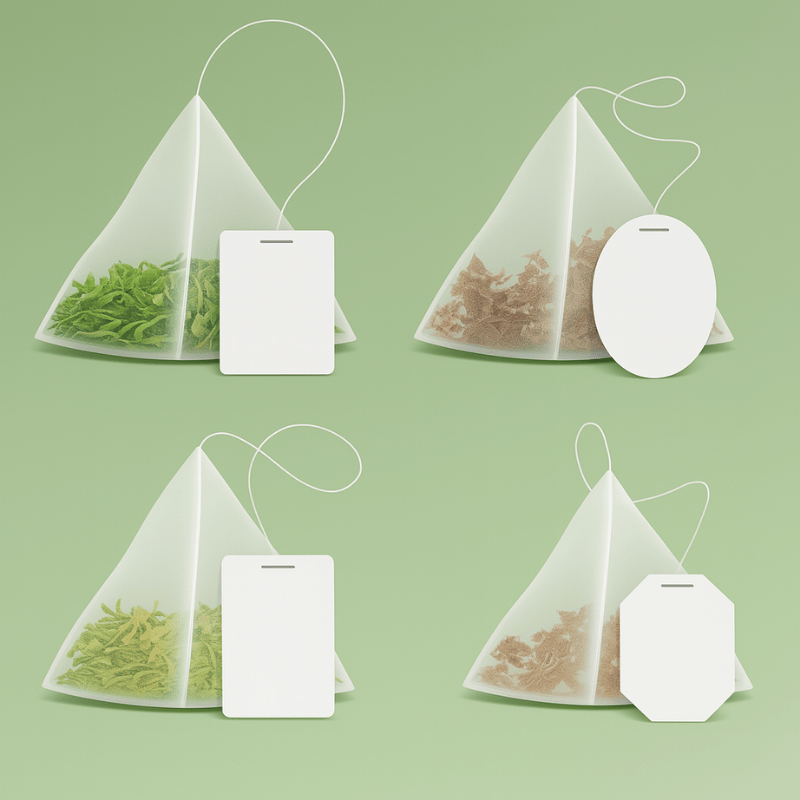
Common tea bag tag formats include:

  • Standard rectangular tags (most widely used)
  • Rounded-edge tags (soft, elegant appeal)
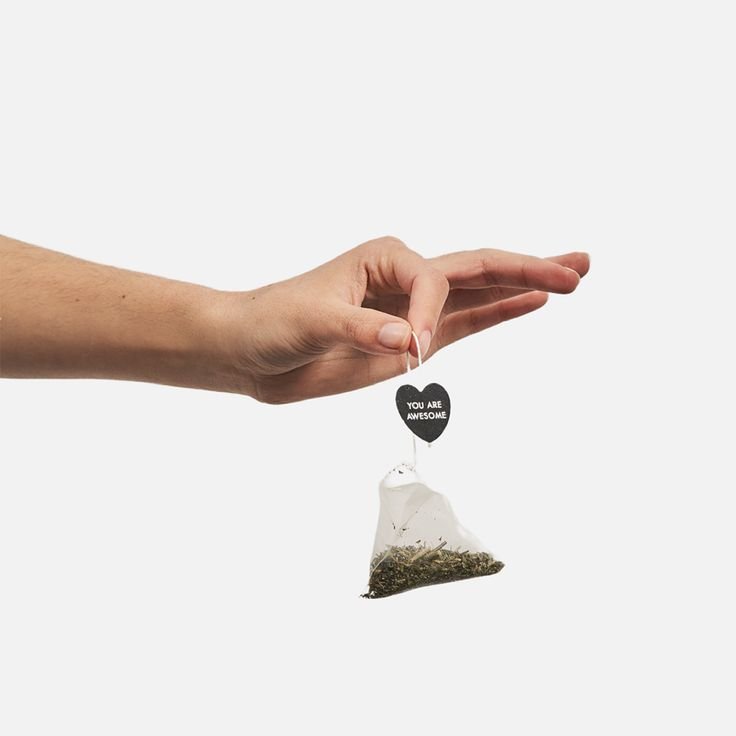
  • Custom-shaped tags (leaves, cups, hearts for differentiation)
  • Double-sided printed tags (branding + instructions)


Key Considerations When Choosing a Tea Bag Tag

Before selecting your tag type, consider the following aspects that impact performance and perception:


1. Brand Identity & Visual Appeal
Tags are often the first visible part of your product. Custom shapes, embossing, foil stamping, or natural colors can reinforce a premium image.

2. Printing & Compliance
Food-contact inks, especially in EU markets, must meet strict compliance. Double-sided tags require durable, food-safe printing techniques.

3. Thread Compatibility
Different threads (cotton, PLA, polyester) work best with certain tag grammage and punch methods.

4. Brewing Usability
Tags must remain functional during steeping. Poor die-cutting or paper stiffness may cause the tag to sink or detach.


Sustainability Challenges in Tea Tag Materials

FSC-certified eco tea tag
FSC-certified tag with biodegradable thread

Traditional tea tags are often overlooked in green packaging strategies. Yet they contribute significantly to waste and microplastic risks.


Problems in Conventional Tags:

  • Plastic-coated paper or glue spots may hinder recyclability
  • Synthetic threads + tags contribute to microplastics
  • Non-FSC paper sources can impact brand credibility in eco-sensitive markets

Study Reference:
According to a 2022 Plastic Soup Foundation report, certain mainstream tea brands still use polypropylene-glued threads and coated tags that are not compostable.
Source: Plastic Soup Foundation Report


Innovations in Sustainable Tea Bag Tag Design

Tea brands worldwide are moving towards tag materials that are functional, beautiful, and eco-friendly:


1. Uncoated FSC-certified paper
Natural look, recyclable, and supports responsible forestry.


2. PLA or PBS laminated tags
Biodegradable while maintaining barrier strength.


3. No-glue mechanical punching
Enables secure tag-thread bonding without synthetic adhesives.


4. Soy-based or water-based inks
Non-toxic and compliant with food-grade regulations.


Regulatory and Market Trends

Globally, the regulatory environment is pushing toward more sustainable packaging, including even small components like tea bag tags.

  • EU Green Deal: Encourages compostable and recyclable packaging, including inner components.
  • Germany’s VerpackG: Enforces Extended Producer Responsibility (EPR) for all packaging elements.
  • U.S. FDA & USDA Organic: Require use of non-toxic, food-contact safe materials for organic teas.

Trend Insight:
Brands like Clipper, Twinings, and Pukka have transitioned to PLA or uncoated paper tea tags to align with sustainability claims.


XLD’s Sustainable Tea Bag Tag Solutions

At XLD, we offer eco-conscious tea bag tag solutions that balance function, sustainability, and branding:

  • FSC-certified uncoated tag paper, ideal for compostable applications
  • PLA/PBS-based laminated paper, offering barrier with biodegradability
  • Precision die-cutting to match all thread types and avoid glue
  • Custom printing with soy-based inks to ensure EU and FDA compliance
  • Support for tag-thread integration with ultrasonic or mechanical bonding

We collaborate with tea manufacturers worldwide to deliver full tea packaging sets—from filter paper to tags—that meet evolving eco-standards and enhance shelf appeal.


Looking for eco-friendly, fully customized tea bag tags?
Contact XLD for durable, sustainable, and beautifully branded tea tag solutions that meet EU, USDA, and global packaging standards.


FAQs

1. What material is best for sustainable tea bag tags?
FSC-certified uncoated paper or PLA-coated paper offers both sustainability and print quality.

2. Can tea tags be printed with regular ink?
No. Only food-grade inks, like soy-based or water-based types, are suitable and compliant.

3. What tag shapes are most common?
Rectangles are standard, but leaf- and cup-shaped tags are growing in use for branding.

4. How do you attach tags without glue?
By using ultrasonic welding or mechanical punching that holds the thread without adhesive.

5. Are there compostable tag options for organic tea?
Yes. PLA tags with biodegradable threads are widely accepted for compostable and organic-certified packaging.

Get Your Own Packaging

Choose XLD's experts to perfect your packaging!

Koy Wang

Koy Wang

Flexible Packaging Specialist
B2B Sales Consultant

8+ years in flexible packaging, specializing in paper-based laminates and rollstock for tea, coffee, and food brands. Supported 50+ global clients on packaging performance, cost reduction, and FDA & EU compliance. Serving brands and co-packers across North America and Europe.

8yr+ Experience
50+ Global Clients
2 Markets
About the Author

Related articles

How to Design a Stand-Up Pouch with Window Without Compromising Strength or Shelf Life?

Read More

High Barrier Snack Packaging: How to Keep Products Crunchy Without Overengineering Costs?

Read More

When Does Digital Printing for Flexible Packaging Make Sense — and When Doesn’t It?

Read More

How to Choose Recyclable Coffee Packaging Without Compromising Freshness or Compliance?

Read More

Chat on WhatsApp

Contact Form